
Why it's important
to learn Self-Hypnosis
Self-hypnosis is a technique where you guide yourself into a trance-like state of deep relaxation and focused attention. In this state, your subconscious mind becomes more receptive to positive suggestions, allowing you to improve habits, reduce stress, enhance performance, or manage pain.
It typically involves:
-
Relaxation – Calming your mind and body through deep breathing or progressive muscle relaxation.
-
Focus – Using visualization, affirmations, or repeated phrases to direct your mind toward a goal.
-
Trance and transformative suggestions – Implanting positive thoughts or behavioural changes while in the hypnotic state.
-
Exit – Bringing yourself back to full awareness with a sense of refreshment and clarity.
People use self-hypnosis for various purposes, such as overcoming anxiety, improving sleep, boosting confidence, or breaking bad habits. It’s similar to meditation but with a more specific goal. Would you like to learn how to do it? Book a session with me
What is hypnotherapy?
Hypnotherapy is a therapeutic technique that uses hypnosis to help individuals make positive changes in their thoughts, emotions, and behaviours. A trained hypnotherapist guides the person into a deeply relaxed, focused state (a hypnotic trance), where the subconscious mind becomes more open to suggestions.
How Hypnotherapy Works:
-
Induction – The therapist helps the client enter a state of deep relaxation and heightened focus.
-
Trance state and therapeutic suggestions – While in hypnosis, the therapist provides positive suggestions or guided imagery to address specific issues.
-
Exploration – Sometimes, the therapist may help the client uncover subconscious memories or emotions related to their problem.
-
Closure – The therapist gradually brings the client back to full awareness, often leaving them feeling relaxed and refreshed.
Treatments
Click on the icon or word

Depression
Hypnosis can help reduce the negative symptoms of depressing thoughts

Anxiety
NLP and Self-hypnosis could eliminate any anxiety from your mind and body

Confidence
having a high self-steam is very important, if we want to achieve our goals and dreams

Conflict
Learning how to deal with conflict is crucial for our work and life balance

Chronic Pain
Hypnosis is a wonderful tool to reduce pain. It works because it helps us to change our perception of pain

Hypnoweight
Better known as Gastric band treatment is a very effective way to loose weight without having cravings

Lucid Dreams
Learning how to direct our dreams in a very good way of finding solutions or connect to our beliefs for guidance

Non-Smoking
NLP and hypnotherapy has been very successful at people giving up smoking, improving their health, and safe money

IBS/Bruxism
Hypnosis is a wonderful tool to reduce stress and therefore, reduce the stomach discomfort

Fear/Phobias
Don´t allow your unconscious fear to stop you from doing the things that you want to do or try. Spread your wings and fly!

Decision Making
Performance Coaching allows us to see where we are now, and where we want to go with ours life

Sensuality
NLP, Coaching, and hypnotherapy can help with many sexual issues. Most of the time, we just need a friendly ear to listen to us


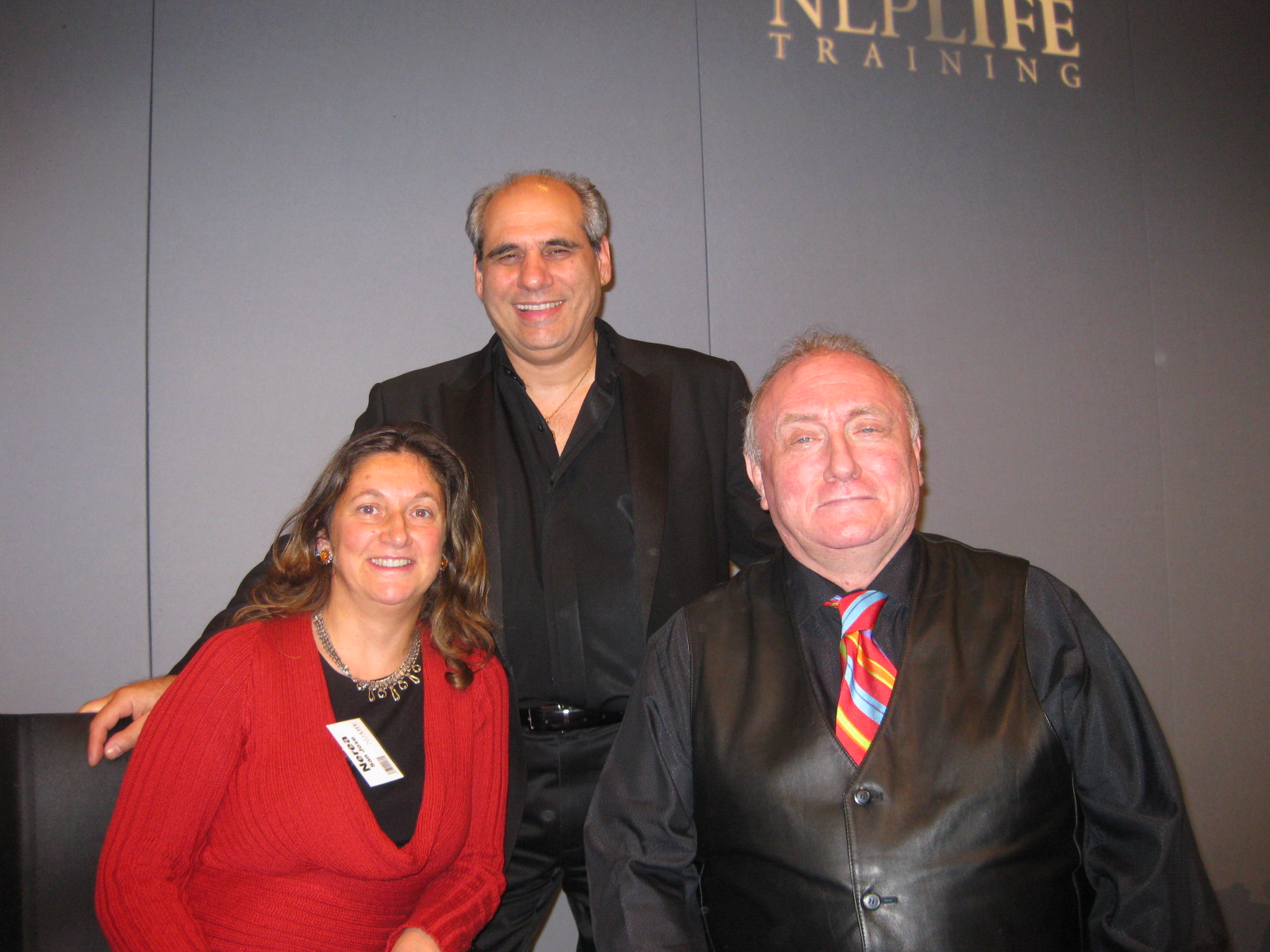
My Training


Your Questions
Testimonials

"Hi Nerea
I have already lost a few pounds!!.... but still struggling to eat only veg and protein after 6pm, but I am exercising again daily so it's definitely been helpful. thanks."
Till
I stopped smoking with one session, and I didn´t put on weight or crave for sweets Nerea´s session changed my life for good!
Guillem
"Llevo tres meses y medio desde que he hecho la terapia de hipnosis con Nerea, y esto funciona !!!
No he vuelto a fumar absolutamente nada de nada, pero lo mejor de todo es que ni me apetece cuando veo o huelo a alguien con un cigarro en la mano, ni me paro a pensar un solo segundo en sí volvería a recaer.
Simplemente con las ganas que tenía de dejar de fumar y la gran ayuda de Nerea, he conseguido algo que me ha costado mucho tiempo hacerlo por mi mismo, a veces no solo con la fuerza de voluntad vale.
Eso si , para que funcione yo creo que hay que estar convencido del todo de que lo quieres dejar, requisito indispensable, y merece la pena, la calidad de vida ha mejorado muchísimo."
Iñaki Lacabanne
Thank you to Nerea´s sessions we were blessed with our daughter. Thank you for your understanding in this delicate mater and support, Nerea!
Raheel
I had several sessions with Nerea to help me visualise my future and make decisions. Her sessions were eye-opening and new things came out of our NLP sessions
Andrew

Join me today and get the skills you need in your life
MINDFULNESS
PASS LIFE REGRESSION
NLP
COACHING